Bonus Ecosystems Driving Tactical Shifts in Swiss Mobile Poker Tournaments
Lars Schmitt · Oct 13, 2026

Bonus Ecosystems Driving Tactical Shifts in Swiss Mobile Poker Tournaments
Swiss mobile poker tournaments have seen notable changes in player approaches as bonus ecosystems expand across licensed platforms, and these systems now shape decisions from the opening hands through final tables. Data from industry tracking services shows that deposit match offers combined with rakeback programs encourage participants to adjust their aggression levels based on remaining bonus clearance requirements, while freerolls tied to volume targets push some competitors toward volume-oriented schedules rather than selective high-stakes entries.
How Bonus Structures Influence Early Stage Play
Players in Swiss mobile events often receive staggered bonus releases that unlock only after specific hands or hours played, and this mechanic leads many to adopt tighter opening ranges during the first levels to preserve stack depth until the bonus portion activates. Observers note that those managing multiple concurrent bonuses spread their session times across several platforms to meet overlapping playthrough thresholds, which in turn reduces the frequency of all-in confrontations early on because participants avoid risking chips needed for continued bonus accumulation.
Deposit Matches and Risk Management Adjustments
Deposit match bonuses in Swiss mobile poker typically carry wagering multipliers that count only tournament buy-ins toward clearance, and this rule set prompts competitors to select mid-tier events rather than satellites or micro-stakes formats. Figures from platform analytics indicate that average buy-in amounts rose by 18 percent in the months following the introduction of tiered bonus ladders in early 2025, while the number of re-entries per player declined because each additional entry delays bonus payout timelines. Those managing bankrolls alongside active bonuses tend to fold marginal hands more readily in the opening orbits, preserving chips for later stages when the bonus has already contributed to their effective stack.
Mobile Interface Features That Support Bonus Tracking
Applications serving the Swiss market now embed real-time bonus progress meters directly into tournament lobbies, and these displays allow players to monitor remaining requirements without leaving the table screen. The integration means decisions about whether to rebuy or add on occur with full visibility of how each action affects both stack size and bonus progress, leading to fewer impulsive re-entries. In October 2026 several operators introduced bonus pause options that let users temporarily halt clearance timers during travel or work hours, and this flexibility has encouraged longer overall participation windows while maintaining controlled aggression levels.
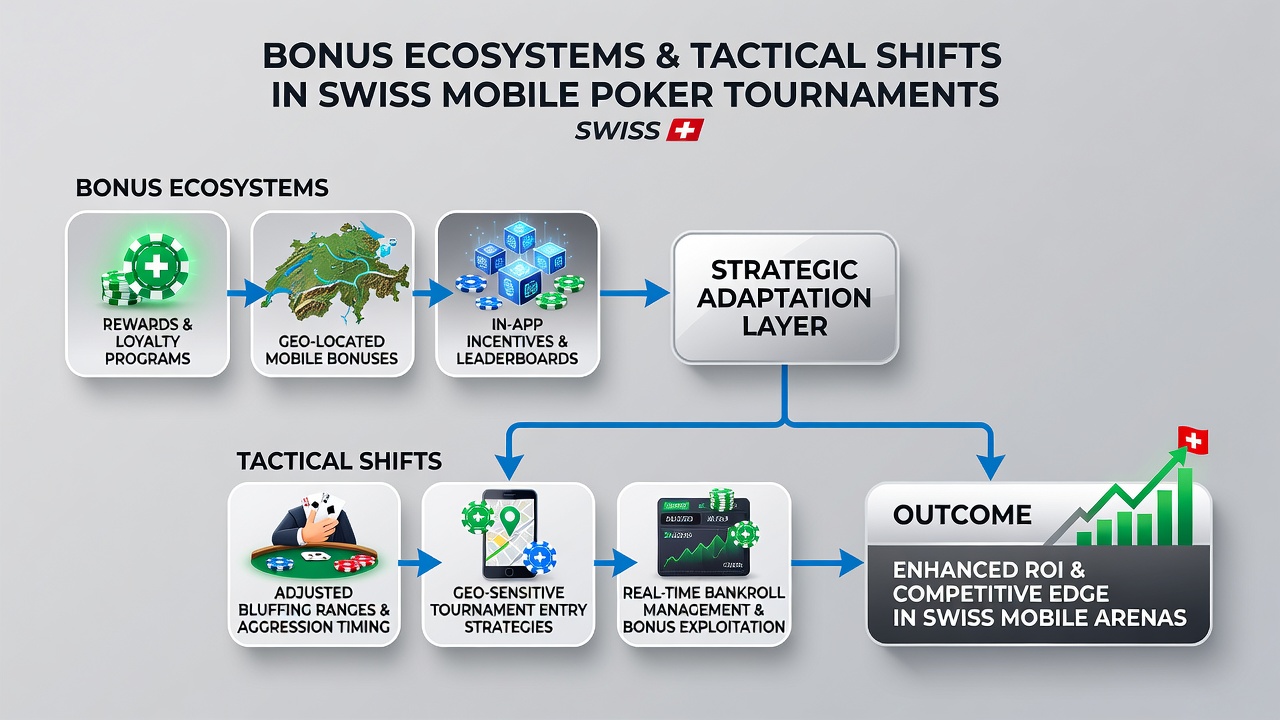
Research compiled by the European Gaming and Betting Association reveals that platforms offering instant bonus status pop-ups see higher retention rates through the middle stages of multi-day events, because players can plan their push-fold thresholds around both chip counts and remaining bonus milestones. The same data set shows that Swiss users interact with these tracking tools an average of 4.2 times per hour during tournament play, compared with 2.8 interactions in markets without integrated displays.
Freeroll and Volume-Based Rewards Changing Schedule Choices
Volume-based leaderboards that award freerolls for accumulated hands or points have altered how many Swiss players construct their monthly calendars, and participants now cluster their entries around specific bonus reset dates to maximize leaderboard positioning. This clustering produces denser fields during the first week of each month, when new bonus cycles begin, and thinner fields later as players shift focus to cash-game volume elsewhere. Tournament directors report that registration spikes of 25 to 30 percent occur consistently in the opening 72 hours after bonus resets, while late-registration numbers drop because players prefer to start with full stacks to meet early volume targets.
Case Examples from Recent Series
One recurring pattern appears in weekly Swiss mobile series where a 50 percent deposit match requires 30 times playthrough across tournament buy-ins, and players facing this requirement show a measurable preference for events with shorter blind levels that accelerate stack decisions after the bonus clears. Another observed shift involves the use of satellite entries that themselves carry bonus credit, allowing competitors to enter higher buy-in main events with reduced net cost while still counting the satellite fee toward clearance. Platform reports indicate these satellite routes now account for 22 percent of total entries in featured events, up from 14 percent before the current bonus structures took hold.
Conclusion
Bonus ecosystems continue to reshape tactical considerations in Swiss mobile poker tournaments by tying reward releases to specific play metrics, and operators adjust interface tools and reward ladders accordingly. As new features roll out through late 2026, the interplay between bonus clearance rules and in-game decision making remains a central factor in how participants allocate time, select events, and manage risk across Swiss-licensed platforms. Data from regulatory summaries and industry associations such as the Canadian Gaming Association and the Australian Gambling Research Centre supports ongoing monitoring of these patterns to understand long-term participation trends.